Flooding & Standing Water Repair in Pierce County

Indoor flooding often starts with a plumbing failure and requires fast action to stop water damage and protect your home. We provide 24/7 emergency flood services across Pierce County, including Tacoma, Lakewood, Puyallup, Gig Harbor, and University Place. We will show up on time, explain your options clearly, and fix the flooding the right way.


(253) 292-5906Schedule
Google Reviews

What to Do First

Indoor flooding can cause damage quickly, especially if the water source is not controlled. Acting quickly and safely can help limit the impact while professional help is on the way.

If the flooding is caused by a plumbing issue, locate and shut off the main water valve. This can help stop additional water from entering the home.

Avoid areas where water is near outlets, appliances, or electrical panels. If needed, turn off power to affected areas for safety.

If it is safe to do so, move furniture, rugs, and personal items away from standing water to reduce damage.

Flooding often involves hidden pipe failures or system issues. Temporary fixes can worsen damage if the underlying problem is not addressed properly.

Flooded living room
Icon: 24/7 Emergency Plumber

What to expect from GTG Plumbing

When you call GTG Plumbing, you won’t get rushed, ignored, or pressured. You’ll get a real person who listens, helps you stay calm, and gets the right plumber to your home fast. We’ll explain what’s happening, what to do next, and what it may cost before we start work.

When you call, our team will answer quickly and ask simple questions to understand what’s going on. You don’t have to know plumbing words. Just tell us what you see. We’ll listen to:

  • What happened (like a pipe burst, leak, or flooding)
  • Where the water is coming from (kitchen, wall, ceiling, basement)
  • If the water is clean or dirty (sewer water is treated differently)
  • If you’ve already shut off the water

Then, we’ll schedule the fastest option. If this is an emergency, we’ll treat it like one and get someone to you as soon as possible. You’ll know:

  • Who is coming
  • When they’ll arrive
  • How we’ll stay in touch

Before we arrive, we’ll help you protect your home. If it’s safe, we’ll guide you step-by-step over the phone. This can help prevent bigger damage while you wait. We may ask you to:

  • Turn off your main water valve
  • Turn off your water heater (if needed)
  • Move items away from the leak
  • Use towels or buckets to limit water spread

Before we start repairs, we inspect the situation and explain what we find. No scary talk. No confusing plumbing language. Just clear answers. We’ll show you:

  • What caused the leak or break
  • What parts are damaged
  • What needs to be repaired right now
  • What might need attention later (if anything)

We believe in fair pricing and no surprises. We don’t oversell. We don’t pressure. We help you choose what’s best for your home. Before we start repairs, you’ll get:

  • A clear explanation of the repair options
  • A price you can understand
  • Time estimates when possible
  • A chance to ask questions

1. First, We Stop the Water Damage

Our first job is to stop the leak and keep things from getting worse. If water has been leaking for a while, we’ll also help you understand what to watch for next, like swelling drywall, wet insulation, or mold risk. Here’s what we usually do right away:

  • Confirm where the leak is coming from
  • Shut off water to the right area (or the whole home if needed)
  • Drain water safely from the line
  • Protect your floors and walls with towels, tarps, and catch buckets
  • Check nearby areas (like behind walls or under floors) for hidden damage

2. Next, We Find the Real Cause

A leak is usually a symptom, not the whole problem. We work to find out why it happened so it doesn’t happen again. We’ll explain what we find in simple terms and show you the area when possible. Common causes we see in Pierce County:

  • Frozen pipes during cold snaps
  • Old or rusted pipes
  • Loose fittings
  • Cracked pipe joints
  • High water pressure
  • Worn-out shutoff valves

3. Then We Repair or Replace the Pipe

Once we know the cause, we move to the repair. The goal is a fix that lasts, not a quick patch that fails later. We use quality parts and clean, professional work so you feel confident turning the water back on.

  • Depending on the situation, we may:
  • Replace a short section of pipe
  • Rebuild a failing joint
  • Repair a broken fitting or valve
  • Replace a pipe that’s too damaged to trust
  • Test water pressure to prevent future problems

4. Test Everything Before We Leave

Before we finish, we check our work carefully. If you have water in your home, we can also recommend what to do next and who to call for drying and restoration. We will:

  • Turn the water back on slowly
  • Watch for leaks under pressure
  • Test nearby fixtures (sinks, toilets, tubs)
  • Make sure water flow looks normal
  • Confirm your shutoff valve works (if accessible)
GTG Plumber providing an estimate to a homeowner
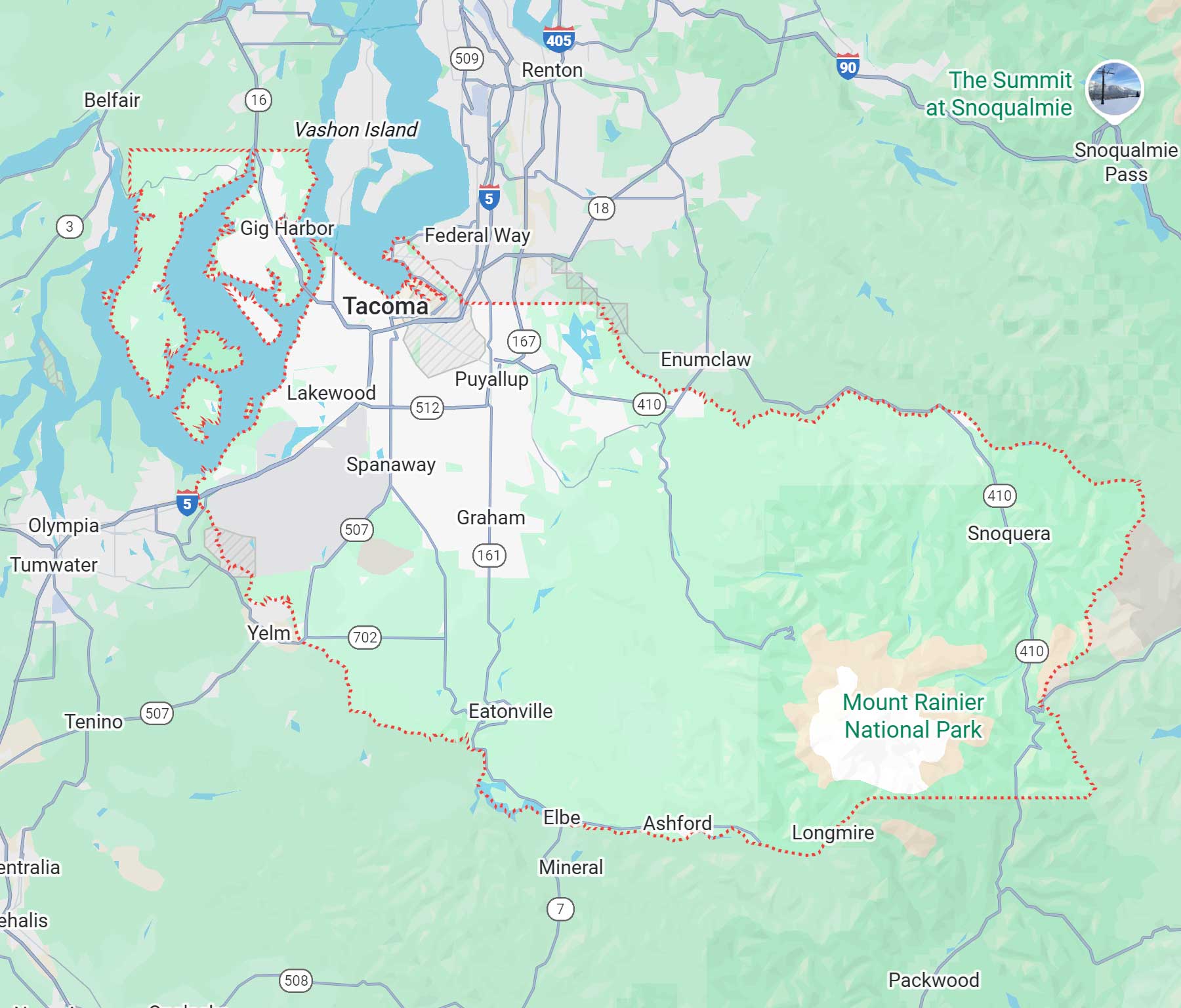
A branded map graphic highlighting Pierce County, WA and key cities served by GTG Plumbing, including Tacoma, Lakewood, Puyallup, Gig Harbor, and surrounding areas.

We are South Sound proud!

Whether you are dealing with a sudden pipe burst or planning a routine fixture upgrade, our team is ready to provide fast and reliable service right to your doorstep. We proudly serve:

Common Questions

Standing water can quickly lead to property damage and safety concerns, especially if the source is not controlled. It’s best to address indoor flooding promptly to help reduce the risk of structural damage, mold growth, or electrical hazards.

Was this helpful?

If it is safe to do so, minor water cleanup may be possible, but removing water without fixing the underlying plumbing issue can allow the problem to continue. Professional evaluation helps ensure the source of the flooding is properly addressed.

Was this helpful?

Indoor flooding is often caused by plumbing failures such as burst pipes, failed water supply lines, blocked drains, or malfunctioning appliances. In some cases, flooding may also be related to sewer backups or drainage issues that allow water to enter the home.

Was this helpful?
© 2026 GTG PlumbingGTGPLPL784DMPrivacyTermsSitemapService AreaPro Tips